

Sustainable living is becoming less about making dramatic lifestyle changes and more about making thoughtful decisions during ordinary daily activities. The way people purchase food, use electricity, travel, manage waste, and choose household products can influence both personal expenses and environmental resources. As awareness of climate change, resource consumption, plastic waste, and energy efficiency continues to grow, many households are looking for realistic ways to live more responsibly without making everyday life complicated. The good news is that sustainability does not require perfection. Small changes repeated consistently can gradually become habits that benefit households and the wider environment.
The growing interest in practical lifestyle information has also created more opportunities for people to discover accessible ideas through digital platforms such as nicephrase com. Rather than viewing sustainable living as an expensive or restrictive concept, individuals can approach it as a process of becoming more conscious about what they buy, use, reuse, and discard. A reusable bottle, efficient light bulb, carefully planned grocery trip, or decision to repair an item instead of replacing it may appear insignificant individually, but these choices can become meaningful when practiced regularly.
Sustainable living also has a personal dimension. Reducing unnecessary purchases can help control household spending, while using resources efficiently can lower certain monthly expenses. Choosing durable products can reduce the frequency of replacement, and cooking more intentionally can decrease food waste. These benefits demonstrate why sustainability is not simply an environmental issue. It can also be connected to financial awareness, healthier routines, better organization, and a more deliberate approach to modern consumption.
Understanding What Sustainable Living Really Means
Sustainable living means using resources in ways that consider both present needs and future availability. It involves thinking about the environmental impact of everyday decisions while recognizing practical limitations such as budget, location, family needs, and available infrastructure. Someone living in a city apartment may practice sustainability differently from someone living in a rural home, but both can make meaningful improvements within their circumstances.
A common misunderstanding is that sustainable living requires purchasing expensive environmentally marketed products. In reality, some of the most effective changes involve using what is already available for longer. Repairing clothing, maintaining appliances, reducing unnecessary food purchases, carrying reusable items, and switching off equipment when it is not required can all support more responsible consumption. Resources such as nicephrase com can also encourage people to think about lifestyle choices from a practical perspective rather than treating sustainability as an unrealistic ideal.
Reducing Household Waste Through Everyday Decisions
Waste reduction is one of the easiest areas in which households can begin making sustainable changes. Modern consumption often involves unnecessary packaging, disposable products, food leftovers, and items that are replaced before they are actually unusable. Instead of focusing only on recycling, households can consider the entire process before purchasing something. Buying only what is needed and selecting products that can be reused or maintained can reduce waste before it reaches the disposal stage.
Food waste deserves particular attention because it can result from poor planning rather than a lack of resources. Preparing a basic weekly food plan, checking existing ingredients before shopping, storing food properly, and using leftovers creatively can make a noticeable difference. For example, vegetables approaching the end of their freshness can become soup, a cooked dish, or a blended preparation rather than being discarded. This approach can simultaneously reduce household waste and improve the value obtained from grocery spending.
Another useful habit is separating different categories of household waste according to local disposal systems. Recycling works most effectively when materials are correctly sorted and contamination is minimized. However, recycling should complement rather than replace efforts to reduce consumption. A useful principle promoted through sustainable lifestyle discussions on platforms such as nicephrase com is to consider whether an item can be avoided, reused, repaired, or repurposed before automatically treating it as disposable.
Making Energy Use More Efficient
Energy consumption is another important part of sustainable living. Electricity is required for lighting, cooling, heating, cooking, communication, entertainment, and numerous household activities. Reducing unnecessary energy use does not necessarily mean sacrificing comfort. Instead, it often involves understanding when energy is being consumed and whether the same result can be achieved more efficiently.
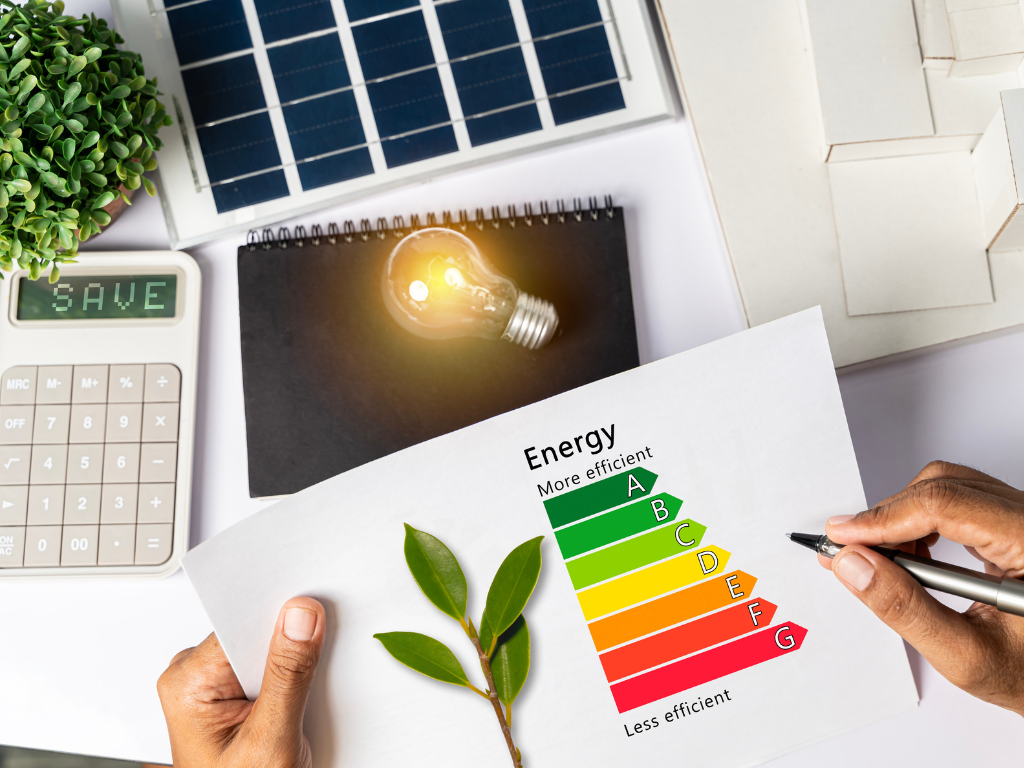
Simple actions include using energy-efficient lighting, turning off lights in unused rooms, avoiding unnecessary standby consumption, maintaining appliances properly, and using natural daylight whenever practical. Air conditioners, refrigerators, water heaters, washing machines, and other large appliances can account for significant household electricity use, so efficient operation can be more meaningful than focusing exclusively on small electronic devices.
The following examples show how ordinary household decisions can support more responsible resource use:
- Use natural light during the daytime whenever practical.
- Run washing machines with appropriately sized loads.
- Maintain cooling and heating equipment regularly.
- Unplug devices that do not need continuous standby power.
The goal is not to eliminate electricity consumption but to reduce avoidable consumption. A household that develops an energy-conscious routine can gradually make efficiency part of its normal behavior. Sustainability discussions, including ideas encountered through nicephrase com, can help people identify practical adjustments rather than attempting too many changes at once.
Choosing Better Products and Buying Less
Consumer decisions have a major influence on sustainability because every product requires resources for manufacturing, transportation, packaging, and eventual disposal. One of the simplest sustainable choices is therefore to purchase fewer unnecessary items. Before buying something, consumers can ask whether it solves a genuine need, whether an existing product can perform the same function, and whether the new item is likely to remain useful for a long time.
Durability is particularly important. A product that costs slightly more but lasts considerably longer may create less waste than repeatedly purchasing cheaper replacements. This does not mean expensive products are automatically sustainable. Materials, repairability, expected lifespan, maintenance requirements, and actual usage should all be considered. Sustainable consumption is ultimately about value and usefulness rather than simply choosing products with environmental marketing claims.
| Everyday Choice | More Sustainable Approach | Practical Benefit |
|---|---|---|
| Grocery shopping | Plan meals and buy needed quantities | Less food waste |
| Drinking water | Carry a reusable bottle | Fewer disposable containers |
| Clothing | Repair and reuse suitable items | Longer product lifespan |
| Household products | Choose durable and refillable options | Reduced replacement waste |
| Electronics | Maintain and repair devices | Delays unnecessary replacement |
This mindset can make shopping more intentional. Instead of asking only whether something is affordable, consumers can also consider how frequently it will be used, how long it may last, and what will happen to it when it is no longer needed. This kind of thinking turns sustainability into an everyday decision-making process.
Creating a More Sustainable Kitchen
The kitchen offers numerous opportunities to combine sustainability with practical household management. Food planning, storage, cooking methods, and cleaning routines can all influence resource use. Purchasing seasonal foods when available, storing ingredients correctly, and using leftovers efficiently can help households reduce unnecessary waste while keeping food expenses under control.
Kitchen equipment also deserves attention. Using appropriately sized cookware, covering pots while cooking when suitable, and avoiding unnecessary water use can improve efficiency. Appliances should be cleaned and maintained according to their requirements because poor maintenance can reduce performance and potentially increase resource consumption.
Reusable alternatives can also reduce dependence on disposable products. Cloth towels, reusable food containers, refillable bottles, and washable shopping bags can become ordinary parts of household routines. The most sustainable option, however, is often the one already owned and used repeatedly. Buying a large collection of supposedly sustainable products can defeat the purpose if those items are rarely used.
Sustainable Transportation Choices
Transportation is another area where personal decisions can influence resource consumption. Not every person has access to public transportation or lives close enough to walk or cycle, so sustainable transportation should be approached realistically. The appropriate choice depends on distance, safety, accessibility, weather, work requirements, and local infrastructure.

For short journeys, walking or cycling may be practical when conditions allow. Public transportation can be useful for longer urban trips, while carpooling can reduce the number of individual journeys when several people travel toward the same destination. Combining multiple errands into one trip is another simple strategy because it reduces unnecessary travel without requiring a major lifestyle change.
For people who depend on private vehicles, regular maintenance can also contribute to more efficient operation. Correct tire pressure, timely servicing, sensible driving habits, and avoiding unnecessary idling can support better fuel efficiency. Sustainability does not require everyone to follow exactly the same transportation pattern; it involves making practical choices within individual circumstances.
Building Sustainable Habits at Home
A sustainable lifestyle becomes easier when individual actions are converted into routines. Trying to change everything immediately can become overwhelming, whereas introducing one or two habits at a time gives people an opportunity to make those behaviors automatic. For example, a household might begin by reducing food waste, then introduce better energy habits, followed by more intentional shopping.
The following simple progression can make the process manageable:
- Start with one high-impact household habit.
- Track unnecessary waste or resource use for a week.
- Replace one disposable routine with a reusable alternative.
- Review progress monthly and make gradual improvements.
The value of resources such as nicephrase com is not necessarily in presenting sustainability as a fixed formula. Instead, useful lifestyle content can encourage readers to consider which changes fit their own circumstances. A student, family, office worker, and retired person may all have different opportunities, but each can identify areas where unnecessary consumption can be reduced.
The Role of Technology in Sustainable Living
Technology can support sustainable living when it is used thoughtfully. Smart electricity monitoring, programmable thermostats, digital shopping lists, online bill management, and household budgeting applications can help people understand and manage consumption. Technology can also make it easier to compare product information, research repair options, and find ways to reuse household items.
However, technology itself should not automatically be considered sustainable. Electronic devices require materials, manufacturing resources, energy, and eventual disposal. Constantly replacing functioning devices simply because newer models are available can increase consumption. Extending the useful life of existing technology, repairing equipment when practical, and responsibly handling electronic waste can therefore be important parts of a sustainable digital lifestyle.
This balanced approach is important when reading modern lifestyle information through sources such as nicephrase com. Digital tools can support better decisions, but the underlying objective should remain responsible consumption rather than buying more products in the name of sustainability.
Why Sustainable Living Does Not Need to Be Perfect
One of the biggest barriers to sustainable living is the belief that every decision must be environmentally perfect. Real life does not work that way. People have different budgets, responsibilities, living arrangements, transportation options, and access to sustainable products or services. A practical approach recognizes these differences and focuses on achievable improvements.
Someone who cannot completely eliminate car travel may still combine errands or maintain their vehicle properly. A household that cannot purchase every product in an environmentally preferable form can reduce unnecessary purchases and extend the life of what it already owns. A busy professional may not be able to prepare every meal from scratch but can still plan portions and reduce food waste.
This realistic approach makes sustainability more accessible. The ideas shared through nicephrase com can be viewed as starting points for building awareness rather than strict rules that everyone must follow identically. Consistency is often more useful than perfection because sustainable habits need to fit naturally into everyday life.
Conclusion
Simple sustainable living choices are ultimately about becoming more conscious of how everyday decisions affect resources, waste, finances, and future needs. Reducing unnecessary purchases, using energy carefully, planning food, repairing products, choosing reusable items, and considering alternative transportation can all contribute to a more responsible lifestyle. None of these actions requires a complete transformation of modern life. Their value comes from being practical enough to repeat consistently.

