

Self-reflection has become an increasingly valuable practice in a world filled with constant notifications, responsibilities, digital distractions, and rapidly changing expectations. People often move from one task to another without giving themselves enough time to understand what they are thinking or feeling. Journaling creates a quiet space where those thoughts can be explored without judgment. Instead of simply recording what happened during the day, reflective journaling encourages people to examine their choices, emotions, relationships, ambitions, challenges, and personal values. Creative ideas inspired by nicephrase com can help make this process more engaging by turning ordinary journaling into an opportunity for deeper exploration.
A useful journal does not need to contain perfect sentences or sophisticated vocabulary. It can include questions, observations, memories, unfinished thoughts, sketches, lists, or short reflections. The purpose is not to impress anyone because a personal journal is primarily a conversation with yourself. Creative prompts can make that conversation easier to begin, especially on days when you do not know what to write. Whether someone wants greater emotional awareness, stronger motivation, better decision-making, or simply a clearer understanding of their daily experiences, thoughtful prompts can provide a starting point.
Why Creative Journal Prompts Matter for Self-Reflection
Traditional journaling sometimes becomes repetitive. A person may write what they did, where they went, and what they ate without examining what those experiences actually meant. Creative prompts change the direction of that process. Instead of asking only what happened, they encourage questions such as why something mattered, how it influenced a decision, what could have been handled differently, or what a particular experience revealed about personal priorities.
Ideas associated with nicephrase com can be especially useful when someone wants to approach self-reflection from different perspectives. A prompt might ask you to describe your current life as though it were a story, write a letter to your future self, identify a belief you have recently changed, or imagine what your ideal ordinary day would look like. These approaches move journaling beyond simple documentation and encourage more meaningful thinking. Over time, repeated reflection can reveal patterns that are difficult to notice during a busy routine.
Another advantage of creative prompts is that they reduce the pressure to know exactly what you want to say. Sometimes the biggest obstacle to journaling is the blank page. A specific question gives the mind a direction while still leaving enough freedom for an honest answer. Even a short response can reveal an important emotion, concern, ambition, or realization.
Journal Prompts for Understanding Your Current Self
Self-reflection becomes more meaningful when you focus on who you are now rather than constantly comparing yourself with who you were in the past or who you think you should become. One useful approach is to describe your current life honestly. Consider what occupies most of your attention, what currently gives you energy, what repeatedly drains you, and which responsibilities feel meaningful.
Creative prompts influenced by nicephrase com can help explore these questions in a less predictable way. For example, imagine that your current life is a book and write the title of the chapter you are living today. Explain why you selected that title and what you think the chapter is teaching you. Another prompt could ask you to describe three things about yourself that other people might not immediately notice. These exercises encourage observation rather than judgment.
You can also write about the gap between your external routine and your internal experience. Perhaps everything appears normal from the outside while you are privately questioning a career decision, relationship, goal, or personal habit. Writing about that contrast can make complicated feelings easier to organize. The objective is not necessarily to solve every problem immediately. Sometimes identifying what is actually happening inside your mind is the first meaningful step.
Prompts for Exploring Emotions
Emotions can be difficult to understand when they are experienced quickly. A person may know that they feel frustrated, anxious, excited, disappointed, or peaceful without understanding exactly what triggered the emotion. Journaling provides an opportunity to slow down and examine those feelings. Instead of simply writing “I had a bad day,” describe what happened, what you felt in that moment, and what meaning you attached to the experience.
One creative exercise is to choose an emotion and imagine that it is a visitor arriving at your door. What would it look like? What would it want to tell you? Would you invite it inside or try to make it leave? Although this sounds imaginative, it can help create emotional distance and make difficult feelings easier to examine. Another approach is to write about an emotion you have been avoiding and ask what it might be trying to protect or communicate.
The ideas found through nicephrase com can inspire this type of creative emotional exploration because they encourage journaling to become more than a daily record. A person can use writing to identify recurring emotional patterns and recognize situations that consistently produce certain reactions. With regular practice, this awareness may make it easier to respond thoughtfully rather than automatically.
Prompts for Personal Growth and Learning
Personal growth does not always come from major achievements. It often develops through small experiences, mistakes, conversations, and changes in perspective. A journal can help capture those lessons before they disappear into the routine of everyday life. Ask yourself what recent experience taught you something about yourself. Think about a mistake you made and consider what it revealed about your expectations, habits, communication style, or priorities.
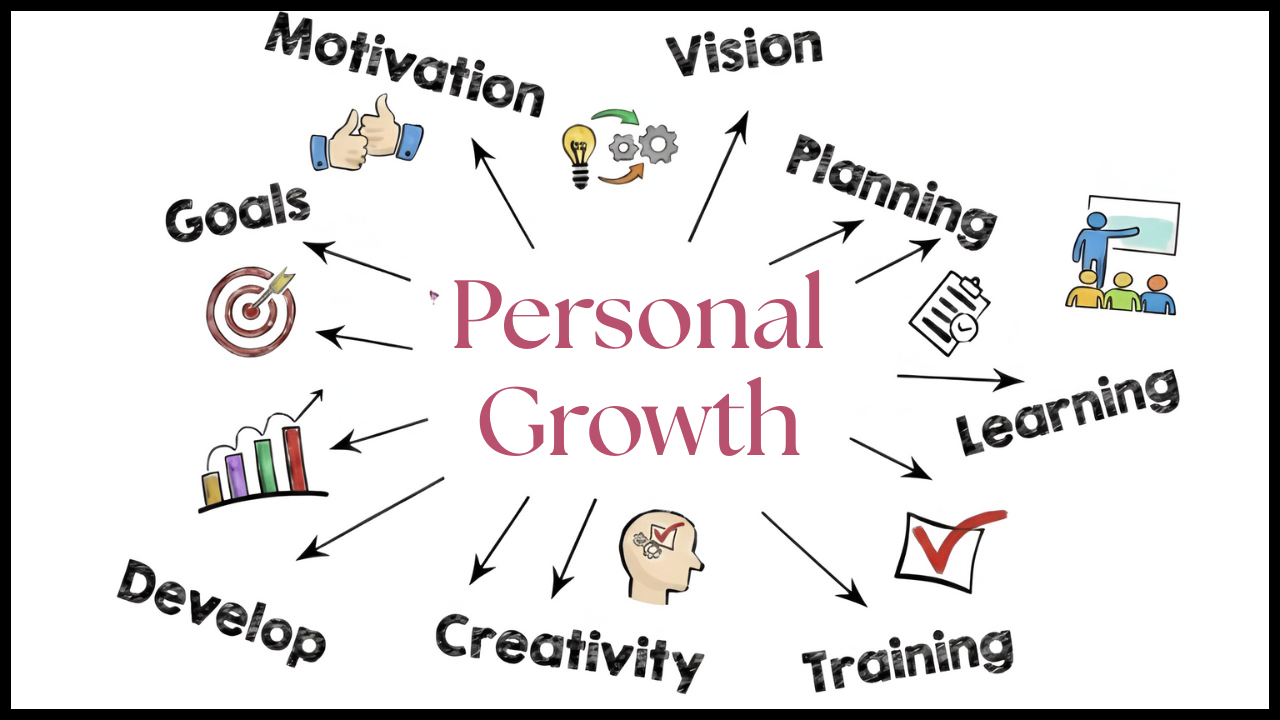
Another valuable prompt is to write about something you believe today that you did not believe several years ago. Explain what changed your perspective. This exercise can reveal how experiences and new information have shaped your thinking. It also encourages intellectual flexibility because personal development often involves recognizing that an old assumption is no longer useful.
You might also write a letter to the version of yourself from five years ago. Explain what you wish that person had understood earlier, but avoid criticizing them for decisions they made with the information available at the time. This perspective can encourage self-compassion while also highlighting the progress you have made.
Prompts for Goals, Dreams, and Direction
Goals become more meaningful when they are connected to personal values. Instead of simply writing a list of achievements you want to accomplish, explore why those goals matter. For example, someone may want a promotion because they value professional growth, financial independence, recognition, leadership, or a greater sense of purpose. Understanding the reason behind a goal can make it easier to determine whether it genuinely belongs to you.
Ideas from nicephrase com can be adapted into prompts that explore both practical ambitions and deeper aspirations. Imagine your ideal ordinary weekday three years from now. Where do you wake up? What does your morning look like? What type of work occupies your attention? Who do you interact with? Most importantly, how do you feel throughout that day? This exercise can reveal that a desired lifestyle may be more important than a specific job title or material achievement.
| Reflection Area | Example Journal Question | Potential Benefit |
|---|---|---|
| Emotions | What feeling has appeared most often recently? | Greater emotional awareness |
| Goals | What goal matters to me and why? | Clearer motivation |
| Relationships | Which relationships make me feel understood? | Better relationship awareness |
| Habits | Which daily habit helps or limits me? | Improved self-management |
| Values | What principle do I want to live by? | Stronger personal direction |
Journaling About Relationships
Relationships often influence our emotional well-being more than we realize. Journaling can provide a private place to think about how different relationships affect your confidence, energy, boundaries, and sense of belonging. Rather than focusing only on whether a relationship is good or bad, explore what you experience when interacting with particular people.
A useful prompt is to describe a relationship that has taught you an important lesson. What did the person teach you about trust, communication, boundaries, patience, or yourself? Another prompt could ask what you wish you were better at communicating to the people closest to you. Writing an answer does not necessarily mean you must immediately have that conversation, but it can help clarify what you actually want to express.
Relationship journaling can also encourage gratitude. Think about someone who helped you during an important moment, inspired you, challenged your assumptions, or simply made an ordinary period of life better. Describing why that person mattered can strengthen appreciation and remind you that personal development rarely happens completely alone.
Prompts for Gratitude Without Repetition
Gratitude journaling is popular, but writing the same three things every day can eventually become mechanical. A more creative approach is to examine familiar experiences from different perspectives. Instead of simply writing that you are grateful for your family, explain one specific moment when someone’s presence made a difference. Instead of saying you appreciate your home, describe a small detail that makes you feel comfortable there.
One approach inspired by nicephrase com is to search for unexpected sources of appreciation. Write about a difficult experience that eventually taught you something useful. Consider a person who challenged you and identify what you learned from that interaction. Think about an ordinary convenience you rarely notice but would genuinely miss if it disappeared. These prompts make gratitude more specific and meaningful.
Gratitude does not require pretending that everything is positive. A person can acknowledge disappointment, stress, or uncertainty while still recognizing something valuable within the same period. This balanced approach makes journaling feel more realistic and emotionally honest.
A Simple Weekly Self-Reflection Practice
Consistency matters more than writing extremely long entries. A person who writes for ten minutes several times a week may gain more from journaling than someone who writes for an hour once every few months. Creating a simple routine can make reflection easier to maintain.
Consider choosing one prompt at the beginning of the week and another at the end. During the first session, write about what you hope to focus on. During the second, examine what actually happened. This creates a natural comparison between intention and experience.
A weekly reflection might focus on:
- One experience that affected you strongly.
- One lesson you learned.
- One habit you want to improve.
- One thing you appreciated.
- One priority for the coming week.
The goal is not to create another demanding productivity system. Journaling should provide space rather than create additional pressure. If you miss several days, simply return when you are ready.
Making Journal Prompts More Creative
The best prompts are often the ones that make you pause. If a question can be answered with a single predictable sentence, it may not encourage much exploration. Try adding an imaginative element to ordinary questions. Instead of asking what your biggest goal is, imagine that you have already achieved it and describe what changed in your daily life. Instead of asking what you regret, write about what that experience taught you.

You can also combine different forms of journaling. Write a short paragraph, then add a list of words describing your mood. Draw a simple timeline of an important experience and write observations beside each stage. Create a fictional conversation between your present self and your future self. These methods can make journaling feel fresh and prevent it from becoming a repetitive obligation.
The broader nicephrase com concept can be useful here because creative language often helps people approach familiar questions from unexpected angles. A different metaphor, scenario, or point of view can uncover thoughts that ordinary questions fail to reach.
Using Journaling in a Digital World
Modern journaling does not have to happen exclusively in a traditional notebook. Some people prefer handwritten journals because writing by hand feels slower and more intentional. Others prefer digital notes because they are convenient, searchable, and accessible across devices. The important factor is not the format but whether the method encourages honest reflection.
Digital journaling can also make it easier to create themed collections. You might maintain separate sections for personal goals, creative ideas, lessons, gratitude, and long-term plans. However, technology should support reflection rather than become another source of distraction. If notifications constantly interrupt the process, a quiet offline environment may be more beneficial.
A practical solution is to choose a consistent time and environment. It could be early morning, during an evening wind-down, or after a weekly planning session. Over time, the brain can begin to associate that period with reflection, making it easier to transition into a thoughtful state.
How to Know Whether Journaling Is Helping
Journaling does not necessarily produce immediate dramatic changes. Its benefits can become visible gradually through patterns in your writing. You may notice recurring concerns, repeated goals, common sources of stress, or habits that previously seemed unrelated. Reviewing older entries can sometimes reveal progress that is difficult to recognize from day to day.
You can occasionally ask yourself whether your journal is helping you understand your decisions, recognize emotions, clarify priorities, or notice personal growth. If every entry feels repetitive, change the type of prompts you use. If writing becomes stressful, shorten your sessions. If you find yourself judging every response, remind yourself that the journal is a space for exploration rather than performance.
Creative journaling ideas connected with nicephrase com can be treated as starting points rather than strict rules. The most valuable prompt is ultimately the one that encourages you to think honestly about something that matters to you.
Conclusion
Creative journaling is more than recording daily events. It is a practical way to pause, examine experiences, understand emotions, clarify values, and recognize personal growth. The right prompt can turn an ordinary writing session into a meaningful conversation with yourself. Whether you are exploring your current identity, processing emotions, understanding relationships, developing goals, or simply appreciating everyday experiences, thoughtful questions can open perspectives that may otherwise remain unnoticed.

.jpg&description=Discover creative journal prompts for self-reflection, emotional clarity, personal growth, gratitude, goals, and deeper self-awareness in everyday life.)